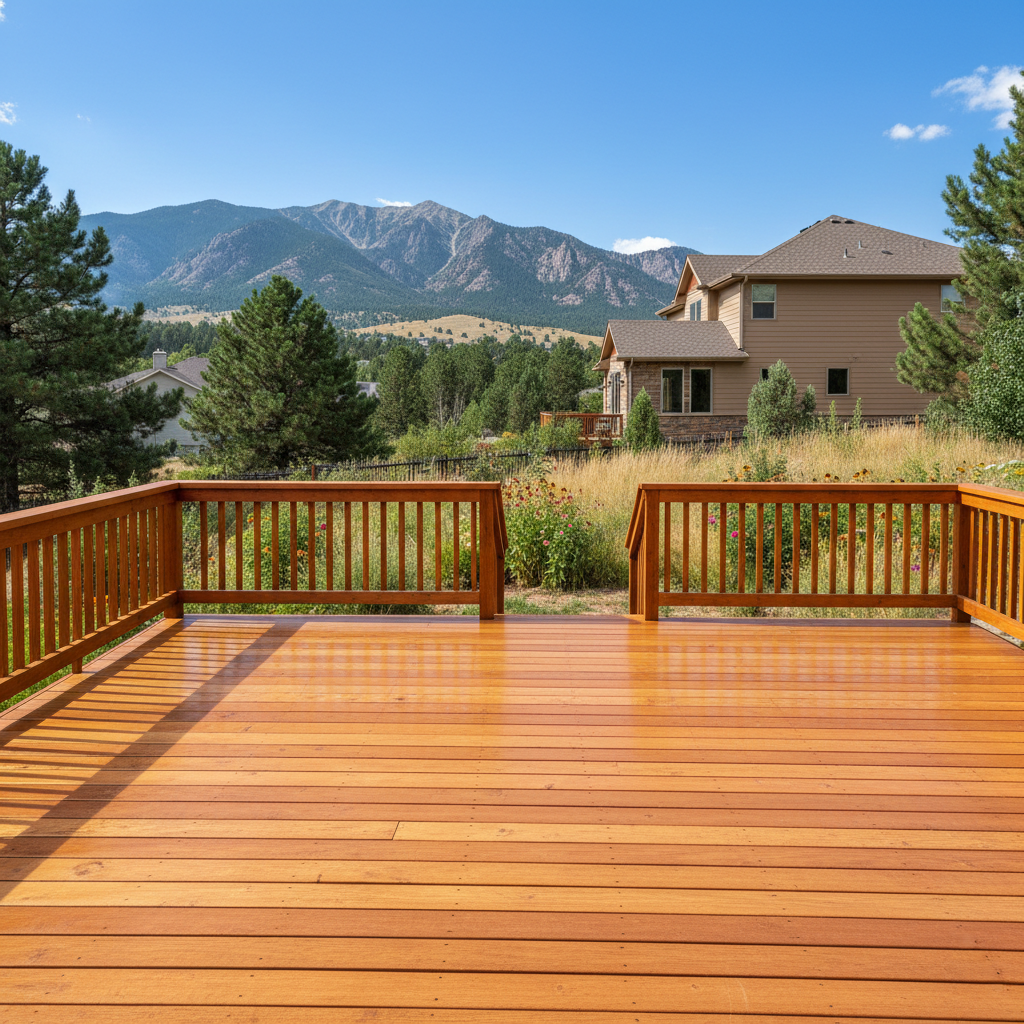
You just spent good money and time getting your deck stained or painted, right? Or maybe you're thinking about it. Either way, you want that investment to last. And here in Boulder, with our crazy sun, dry air, and freeze-thaw cycles, 'lasting' takes a bit more effort than it might in, say, a humid, rainy climate. I've seen countless decks across Boulder — from the old, weathered ones in Martin Acres to the newer builds up in Wonderland Hill — and I can tell you, maintenance is key.
Why Colorado Weather is Tough on Decks
Our climate is a real beast for exterior wood. You've got intense UV radiation from the high altitude, which just bakes and breaks down finishes. Then there's the dry air that sucks moisture right out of the wood, leading to cracking and splitting. And don't forget the temperature swings — a warm, sunny day followed by a freezing night means expansion and contraction, which stresses the wood and any coating on it. All these factors work together to degrade your deck's finish faster than you'd think.
Extending the Life of Your Deck's Finish
It's not rocket science, but it does take consistency. Here's what I recommend:
- Start with quality: This might seem obvious, but a good quality stain or paint applied correctly is your first line of defense. Don't skimp here. We always use top-tier products at Boulder Deck & Porch because we know they stand up better to our local conditions.
- Proper preparation is everything: Before any new coat goes on, the deck needs to be clean, dry, and free of old, peeling finish. If you don't prep right, even the best product will fail prematurely.
- Keep it clean: Dirt, grime, and mildew trap moisture and can break down your finish. Regular cleaning, which we'll get into, is crucial.
- Address repairs quickly: A loose board or a splinter can expose raw wood, letting moisture in and starting a cycle of decay that spreads under your finish.
Regular Maintenance: Your Deck's Best Friend
Think of it like changing the oil in your car. Small, regular tasks prevent big, expensive problems down the road.
- Annual Cleaning: Once a year, usually in the spring after the snow melts, give your deck a good wash. Use a deck cleaner (not just bleach, which can damage wood fibers) and a stiff brush. A pressure washer can be great, but be careful! Too much pressure can gouge the wood and strip the finish right off. If you're not experienced, keep the nozzle moving and stay a good distance away.
- Inspect for Damage: While you're cleaning, look closely. Are there any areas where the stain is fading or peeling? Any loose nails or screws? Splinters? Catching these early means you can do a small touch-up instead of a full re-stain.
- Sweep Regularly: Don't let leaves, pine needles, or dirt sit on your deck for long. They trap moisture and can cause dark spots or even rot.
- Trim Overhanging Branches: Less shade means faster drying after rain or snow, and fewer leaves falling onto your deck.
Warning Signs: When Your Deck Needs Attention
Your deck will tell you when it's unhappy. You just need to know what to look for:
- Fading Color: This is often the first sign, especially on south-facing decks that get hammered by the sun. The color looks dull, and the wood starts to look gray.
- Water Absorption: Sprinkle a little water on the deck. If it beads up, your finish is still doing its job. If it soaks right in and darkens the wood, your finish is failing and the wood is exposed. This is a big red flag.
- Peeling or Flaking: This is more common with paints or opaque stains. If you see the finish lifting off the wood, it's definitely time for action.
- Mildew or Algae Growth: Dark green or black spots, especially in shaded or damp areas, mean moisture is hanging around too long.
- Cracking or Splitting Wood: While some minor checks are normal, excessive cracking or splitting can indicate the wood isn't properly protected from moisture fluctuations.
When to Call a Professional
Look, I'm a contractor, so you might think I'd say