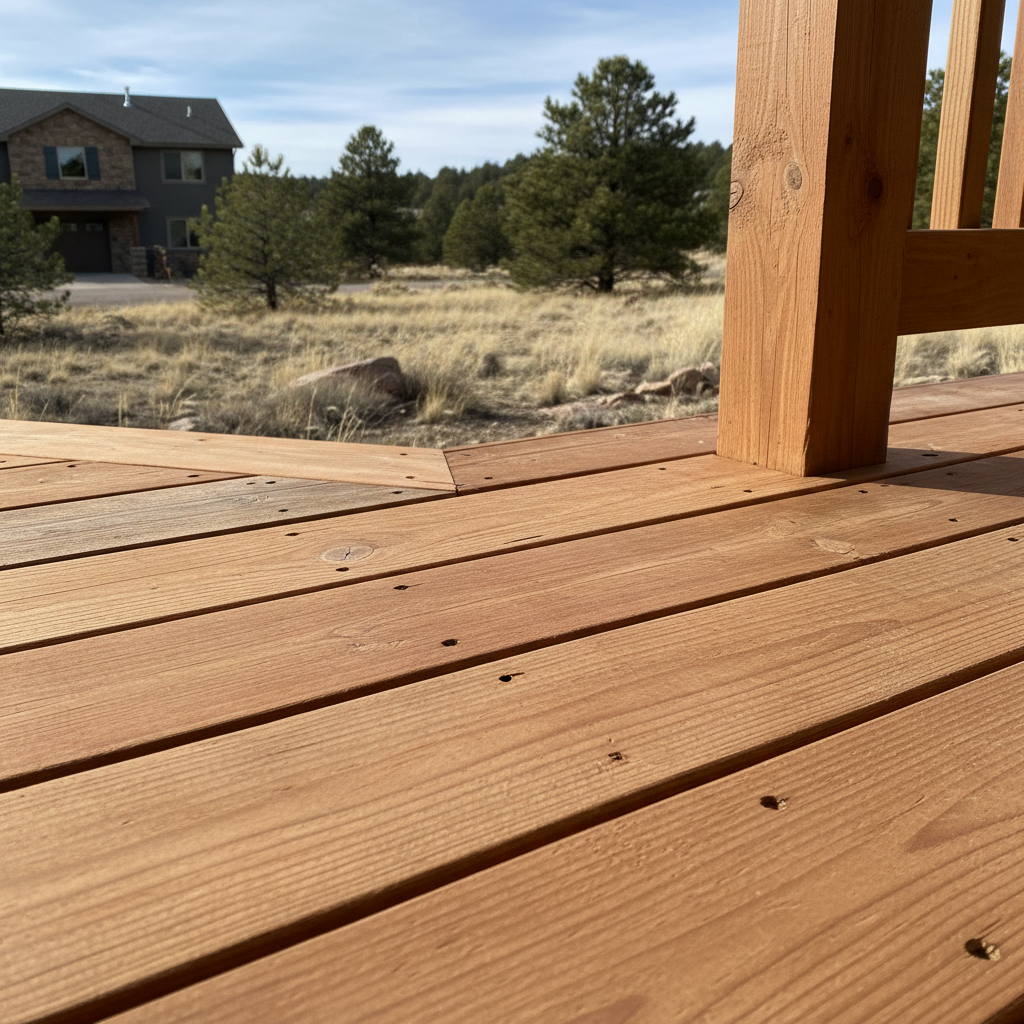
Your deck takes a beating, especially here in Boulder. Between our intense sun, the freeze-thaw cycles, and the occasional heavy snow, things are bound to wear out. So, you've spotted some issues – maybe a loose board, a wobbly railing, or some rot. The big question is, can you fix it, or do you need to call someone like us?
Before You Start: Assess the Damage
First things first, take a good, hard look at what's going on. Don't just focus on the obvious stuff. Get underneath if you can safely. Bring a flashlight and a screwdriver. Poke around. Is it just a surface issue, or is the problem deeper?
- Loose Decking Boards: This is probably the most common repair. Boards come loose from foot traffic, wood movement, or fasteners failing.
- Wobbly Railings: A safety hazard you can't ignore. This usually points to loose posts or connections.
- Splintered or Cracked Wood: Happens with age, especially on high-traffic areas or where water sits.
- Rot: The big one. Rot can be surface-level or deep into the structural components. Test suspicious areas with a screwdriver – if it goes in easily, you've got rot.
- Fading or Peeling Finish: Not structural, but affects appearance and protection.
If you're seeing widespread rot, especially in joists, beams, or ledger boards, or if the entire structure feels unstable, stop right there. That's a pro job, no question. We're talking about the safety of your family and friends. Don't mess with structural integrity.
What You Can (Probably) DIY
Loose Decking Boards
This is usually pretty straightforward. If it's just a few boards, you can often re-secure them. If they were nailed, pull out the old nails (or sink them deeper if they're not too far gone) and replace them with deck screws. Deck screws hold much better than nails and are designed for exterior use. Make sure they're long enough to go through the decking and into the joist below. If the wood around the old fastener holes is stripped out, you might need to move the screw slightly or use a slightly larger diameter screw.
Wobbly Railing Sections
Sometimes, a wobbly railing is just a loose connection at the top or bottom. Check the bolts or screws holding the railing sections to the posts. Tighten them up. If the post itself is wobbly, that's a bigger deal. If it's a surface-mounted post, check the bolts securing it to the deck frame. If it's a through-post (meaning it extends below the deck surface), you'll need to inspect its connection to the rim joist or blocking. Sometimes, adding a few extra structural screws or bolts can stiffen things up. If the wood around the post is rotted, though, you're looking at a post replacement.
Splintered or Small Cracks
For minor splinters or small cracks, you can sand them down smooth to prevent injury. For larger cracks that aren't compromising the board's strength, you can fill them with an exterior wood filler, sand it, and then re-stain or paint. Just make sure the filler is designed for outdoor use and can be stained/painted.
Fading Finish
This is definitely a DIY project. Clean the deck thoroughly, let it dry completely, and then apply a fresh coat of stain or sealant. Make sure you use a product designed for our climate. The sun at this altitude, especially in areas like the foothills, is no joke on wood finishes.
When to Call Boulder Deck & Porch
Look, I'm all for homeowners tackling projects, but some things are just better left to the pros. Here's when you should pick up the phone:
- Structural Rot: If you find rot in joists, beams, ledger boards (the board attaching the deck to your house), or support posts, that's a red flag. These components are critical for the deck's stability and safety. Replacing them requires specific knowledge, tools, and often, permits.
- Widespread Damage: If more than 25% of your decking boards are rotted, cracked, or splintered, or if multiple railing posts are compromised, it's often more cost-effective and safer to get a professional assessment. Trying to patch a severely deteriorated deck can be like putting a band-aid on a broken leg.
- Permit Requirements: Major structural repairs or replacements often require building permits from the City of Boulder. As a contractor, we're familiar with these requirements and can handle the paperwork and inspections. You don't want to do a big repair only to find out it's not up to code.
- Lack of Tools or Expertise: If you don't have the right tools (saws, drills, safety gear) or the experience to safely and effectively make the repair, don't risk it. A botched repair can be more expensive to fix than getting it done right the first time.
- Deck Age: If your deck is 20+ years old and showing significant wear, it might be time for a full replacement rather than piecemeal repairs. An old deck can have hidden issues that only a thorough inspection can uncover.
After the Repair: Maintenance is Key
Whether you DIY or hire us, ongoing maintenance is crucial. Keep your deck clean, sweep off leaves and debris, and check for standing water. Reapply stain or sealant every few years. Catching small issues early prevents them from becoming big, expensive problems. A little proactive care goes a long way in keeping your Boulder deck safe and looking great for years to come.